Finding the Ideal Swimming Pool: Types and Design Ideas for Every Backyard
Picking the perfect backyard pool calls for careful consideration of various designs and types. All options, including in-ground, above-ground, and inflatable pools, comes with specific pros and cons. Recognizing these distinctions assists homeowners in making arrive at educated decisions that suit their lifestyle and preferences. Because design and performance are equally important, examining contemporary design trends and landscaping concepts is essential. What factors should one prioritize to guarantee a well-executed setup?
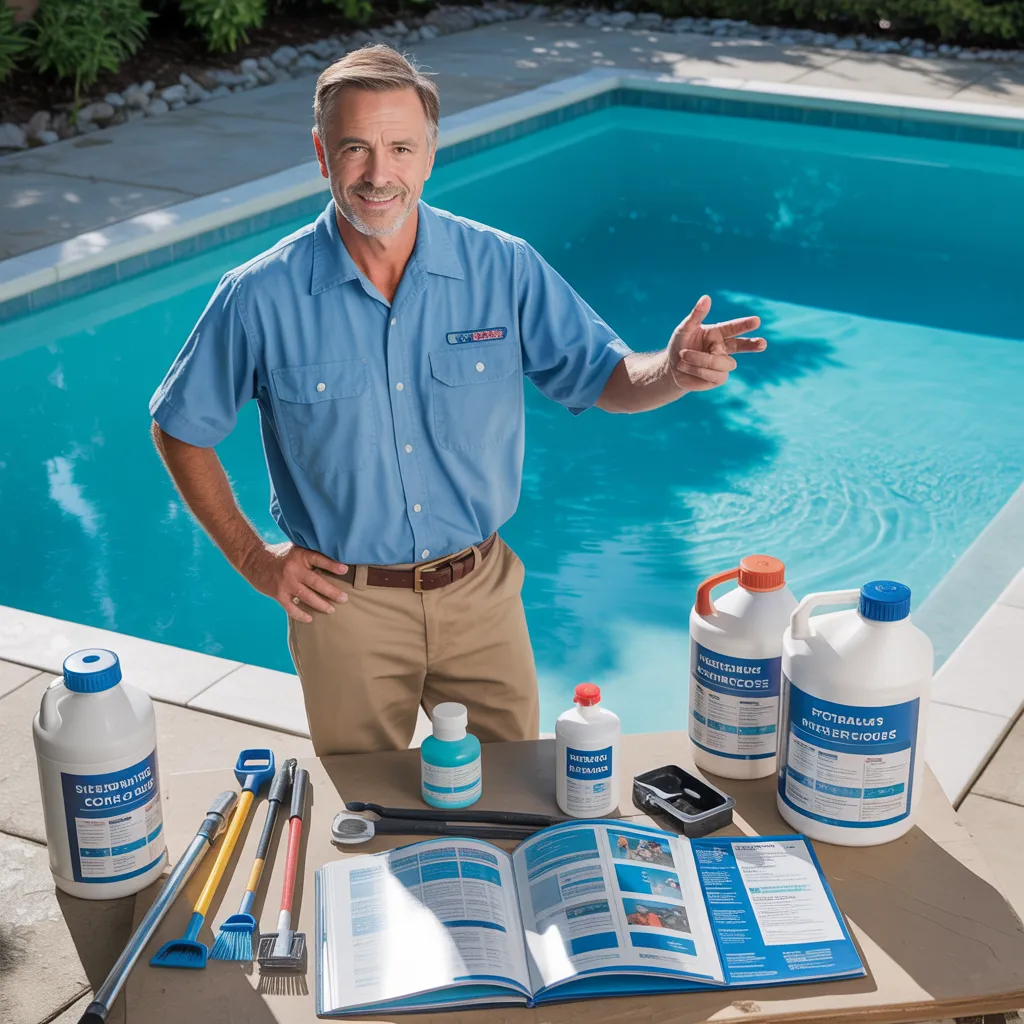
Which Swimming Pool Type Best Suits Your Needs?
Choosing the best pool type can be an overwhelming decision for numerous homeowners. Multiple factors, including budget, yard space, and intended use, play significant roles in this choice. Homeowners may evaluate options such as inground pools, aboveground pools, and even inflatable models.
Inground pools, often seen as longer-lasting, allow for a wide range of designs and customizations, catering to design tastes and natural surroundings integration. Conversely, aboveground pools offer cost-effectiveness and simpler setup, making them a practical choice for homeowners seeking budget-friendly or short-term solutions.
In addition, inflatable pools provide flexibility and convenience, ideal for limited spaces or temporary needs. All types feature distinct advantages and drawbacks, so those considering a pool must thoughtfully examine their particular conditions. At the end of the day, the ideal swimming pool option should match long-term goals, lifestyle, and maintenance capacity, providing a fulfilling investment that enriches outdoor experiences.
In-Ground vs. Above-Ground Pools: An Overview
When considering a pool, home owners commonly face the dilemma between above-ground and in-ground options. In-ground pools typically offer a more lasting and visually appealing option, seamlessly integrating with the landscape. They are customizable in shape, materials, and size, enabling a custom match to any outdoor design. That said, the installation process can be expensive and lengthy.
In contrast, above-ground pools offer a more affordable option for families looking for recreational water features. They are easier to install and can often be set up in a matter of days. Although they might not have the aesthetic charm of in-ground pools, recent innovations have greatly elevated their visual appeal. Upkeep requirements differ between both options, with in-ground pools usually needing greater attention. At the end of the day, the decision copyrights on budget, desired permanence, and personal preferences, necessitating that homeowners thoroughly assess the benefits and drawbacks of each alternative.
Leading In-Ground Swimming Pool Options
When choosing an in-ground swimming pool, several options stand out for their unique advantages. Concrete pools are known for their strength and design flexibility, while fiberglass pools offer rapid installation and minimal upkeep. Vinyl liner pools provide a budget-friendly option alongside a wide range of design selections, each catering to different preferences and budgets.
Advantages of Concrete Pools
Concrete pools stand out as an excellent option for below-ground pool installations due to their long-lasting nature and versatile design. In contrast to alternative materials, concrete can be molded into virtually any configuration or scale, giving homeowners the ability to design a customized oasis that complements their backyard. This flexibility ensures that features such as stairs, built-in seating, and aquatic features can be effortlessly incorporated. Furthermore, concrete pools are exceptionally resilient, built to handle severe climates and intensive use. Given the right upkeep, they offer decades of service, making them an enduring investment. Additionally, the porous quality of concrete allows for a variety of finishes, ranging from tile work to plaster applications, boosting visual attractiveness. Ultimately, concrete pools deliver a balance of performance and beauty, making them a compelling choice.
Fiberglass Pool Advantages
Fiberglass pools offer a compelling alternative for homeowners looking for an in-ground pool option, especially due to their minimal upkeep needs and rapid installation timeline. Fabricated from a sturdy material, these pools resist algae growth, significantly cutting down on the necessity for chemical treatments. Their polished surface is not only gentle to the touch but also reduces the chance of cuts and scrapes. Furthermore, fiberglass pools can be found in an array of shapes and sizes, enabling personalization to complement various backyard designs. The adaptability in design empowers homeowners to develop a one-of-a-kind outdoor area. Additionally, their energy-saving properties can result in reduced heating expenses, making fiberglass pools a sensible and cost-effective option for individuals seeking to upgrade their outdoor living space.
Vinyl Liner Selections
Vinyl liner pools represent an excellent option for homeowners looking for a customizable and cost-effective in-ground pool solution. These pools feature a resilient vinyl lining, which allows for numerous shapes and dimensions, supporting various backyard layouts. Homeowners can select from a broad selection of designs and color options, enhancing the aesthetic appeal of their outdoor living areas.
In addition, vinyl liner pools are commonly lower in cost to install relative to concrete or fiberglass options. Care is also more straightforward, as the smooth surface discourages algae growth. Nonetheless, it is crucial to keep in mind that the liner will usually need to be replaced every 7 to 15 years, depending on usage and care. Overall, vinyl liner pools provide an attractive balance of affordability, customization, and ease of maintenance for homeowners today.
Innovative Swimming Pool Designs for Your Outdoor Space
What sets a contemporary swimming pool design apart in a backyard? The clean lines and minimalist design create a welcoming ambiance that harmoniously integrates with modern architecture. These pools frequently incorporate geometric forms, such as rectangles or squares, improving definition and visual appeal in outdoor areas. Materials like glass, stainless steel, and natural stone are frequently used, offering a sophisticated yet understated look.
Infinity edges stand as a signature element of modern design, offering a striking visual relationship between the pool and its surroundings, commonly producing the effect of water flowing endlessly to the horizon. Furthermore, integrating elements such as LED lighting and built-in seating boosts functionality and elevates the overall atmosphere.
Aquatic features, including fountains or waterfalls, can be seamlessly integrated to introduce a refined sense of elegance. In the end, contemporary swimming pool designs focus not only on aesthetics but also on the overall experience, converting backyards into lavish retreats that encourage relaxation and leisure.
Landscape Design Concepts to Enhance Your Pool Area
Enhancing the pool area necessitates well-planned landscaping that establishes a unified environment. Integrating vibrant foliage, decorative decking, and useful overhead coverage can convert the space into a serene oasis. These components not only enhance visual appeal but also improve usability and comfort.
Verdant Green Landscapes
When considering the aesthetic appeal of a swimming pool, lush green surroundings can significantly improve the overall experience. Including colorful landscape components, such as ornamental grasses, flowering shrubs, and native plants, establishes a serene environment that enhances the water's blue hues. Carefully situated trees not only deliver natural cover but also create visual height, while low-lying vegetation can smooth sharp borders around the pool area. Furthermore, the incorporation of exotic plants, such as palms and ferns, can create a vacation-inspired setting. To enhance the aesthetic effect, arranging plants at different levels establishes visual complexity, while colorful blooms provide seasonal interest. Ultimately, a carefully crafted outdoor setting reshapes the pool surroundings into a peaceful retreat, welcoming calm and recreation.
Ornamental Pool Decking
Decorative pool decking stands as a fundamental feature in establishing an appealing and versatile outdoor environment. It enhances the overall aesthetic while providing a safe surface for poolside activities. Numerous materials, like natural stone, concrete, and wood, present varied textures and tones, giving homeowners the freedom to pick styles that suit their landscape. Adding patterns, mosaics, or ornamental tiles can significantly enhance the aesthetic value. Moreover, including landscape features, like plant beds or lounge areas, can effortlessly unify the decking with the outdoor space. Adequate drainage and non-slip surfaces are essential factors for ensuring safety. By deliberately choosing and crafting pool decking, homeowners can turn their pool surroundings into a refined haven that embodies personal character and fosters a sense of calm.
Effective Shade Alternatives
A well-designed pool area balances visual appeal with comfort and functionality. To enhance the usability of the space, incorporating practical shading solutions is essential. Pergolas serve as a sophisticated choice, offering dappled shade while letting natural light pass through. Shade sails are a flexible alternative, conveniently repositioned to manage sunlight exposure. For a more permanent structure, gazebos can establish a comfortable sanctuary, complete with seating and decor. Additionally, thoughtfully arranged greenery can provide natural shade, improving the ecological appeal of the area. These options both safeguard swimmers from the sun and establish comfortable zones for unwinding, ensuring the pool space remains pleasant at all hours.
Budgeting for Your Dream Swimming Pool
Although the allure of a dream swimming pool is undeniable, thoughtful financial planning is essential to make that dream a reality. Property owners ought to begin by establishing their total budget, factoring in both initial installation and long-term maintenance costs. Factors such as pool type—inground or above ground—greatly influence expenses. Inground pools, while more expensive, often add considerable property value.
Additionally, it's important to budget for added elements like lighting, decking, and heating, which can elevate the pool experience but also significantly raise costs. The landscaping surrounding the pool should also be considered within your overall budget, as it enhances the complete aesthetic appeal.
Finally, homeowners should budget finances for unforeseen costs, which Backyard Pool can occur during the building process. Consulting professionals for quotes and discussing funding solutions can provide clarity and help streamline the financial planning, guaranteeing that the ideal pool becomes a fulfilling achievement without monetary pressure.
Popular Questions We Receive
How Can I Keep Pool Water Quality All Year Long?
To maintain pool water quality year-round, routine testing and adjustment of pH and chlorine levels is necessary. Regular cleaning, filtration, and water temperature monitoring further support a safe and healthy swimming environment.
What Pool Safety Features Should I Be Considering?
Safety features to evaluate for a pool include pool covers, fencing, alarms, self-closing gates, and slip-resistant surfaces. Moreover, incorporating pool lighting and guaranteeing appropriate supervision can substantially boost safety for all swimmers.
Am I Able to Install a Pool Myself?
Indeed, a pool could be set up by oneself, provided the homeowner possesses the essential knowledge, tools, and capabilities. Nevertheless, professional assistance is commonly advised to confirm proper construction, safety, and compliance with local regulations.
What Permits Are Needed for Installing a Pool?
Permits for pool installation typically include building, electrical, and plumbing permits. Municipal regulations can differ, so it is necessary to check with local governing bodies to confirm conformity with zoning laws and safety standards.
How Can I Heat My Pool Efficiently?
To heat a pool efficiently, it is possible to use solar heaters, heat pumps, or gas heaters. Furthermore, installing a solar cover can effectively retain heat, reducing energy loss on cooler nights and improving the overall heating efficiency.